Switch to Dark Mode
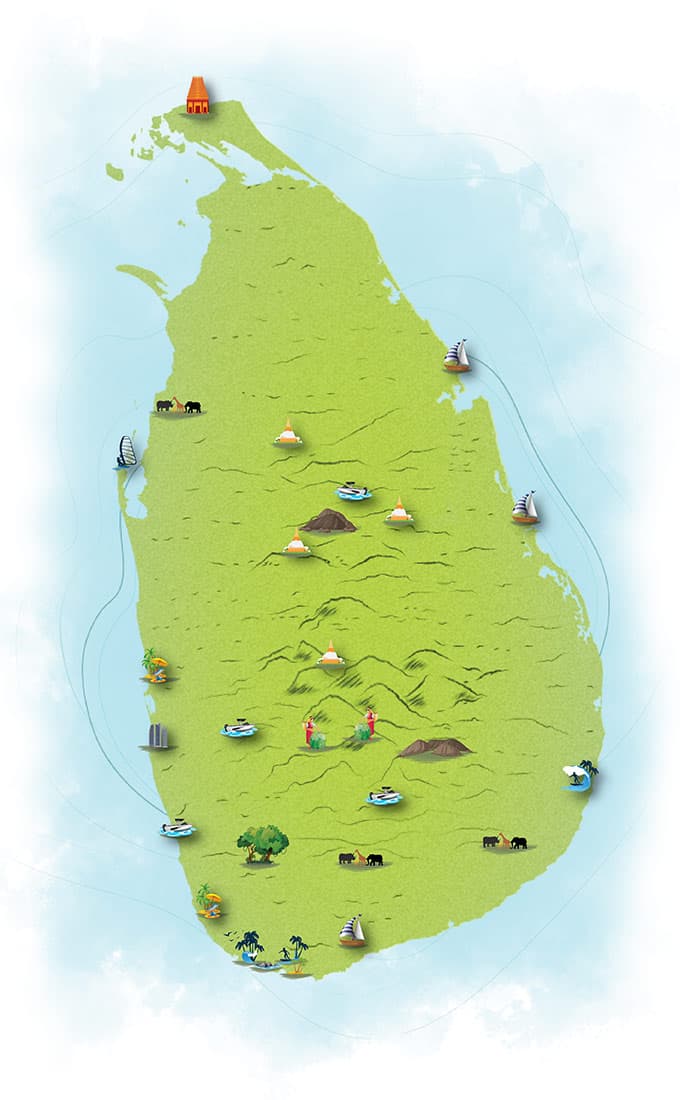
Sri Lanka is a diverse island nation comprising of one main landmass occupying an area of 65,610 km². It is a tropical wonder nestled within the Indian Ocean between five and ten degrees north of the equator. The Sri Lankan central highlands group consists of lush peaks reaching over two thousand meters and ancient tea estates. However, the coastal plains group is mostly low-lying sandy beaches and river deltas and is vast in reaches. The cultural cities of the Sri Lankan landscape cluster around the main hub of Colombo. Colombo is home to the Bandaranaike International Airport, the commercial Port and the capital Sri Jayawardenepura. Colombo’s nearby cities are Negombo and Kalutara. The scenic inland regions are divided into nine provinces. The Central Province is 115km from Colombo. The Southern Coastal Areas of Galle, Matara and the Hambantota District, are about 240km from Colombo.
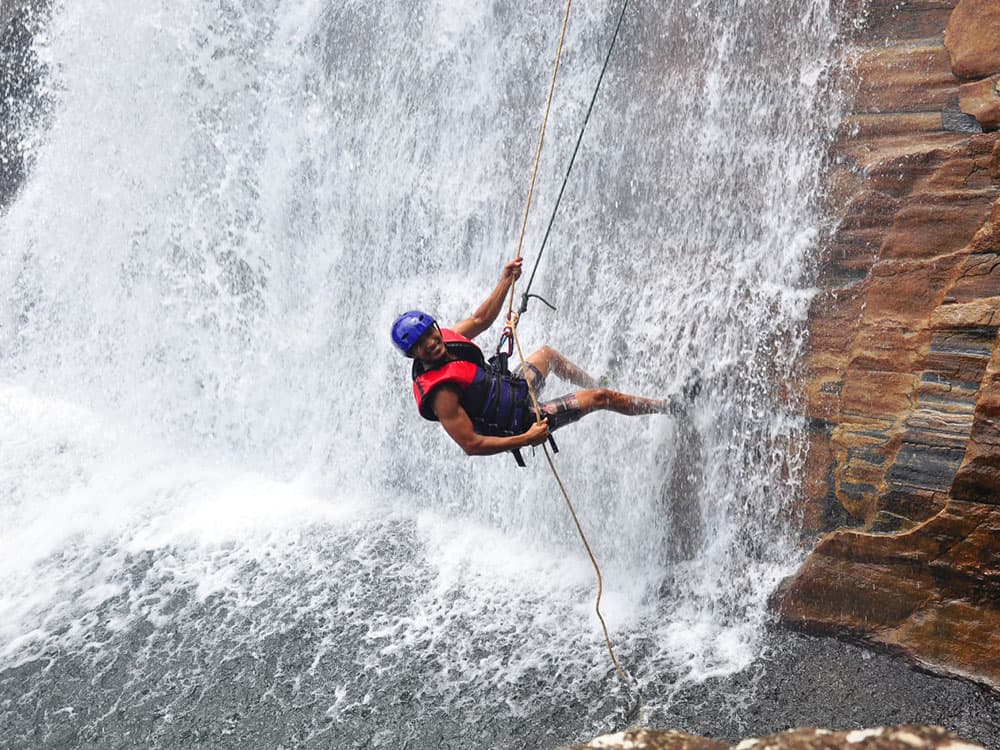
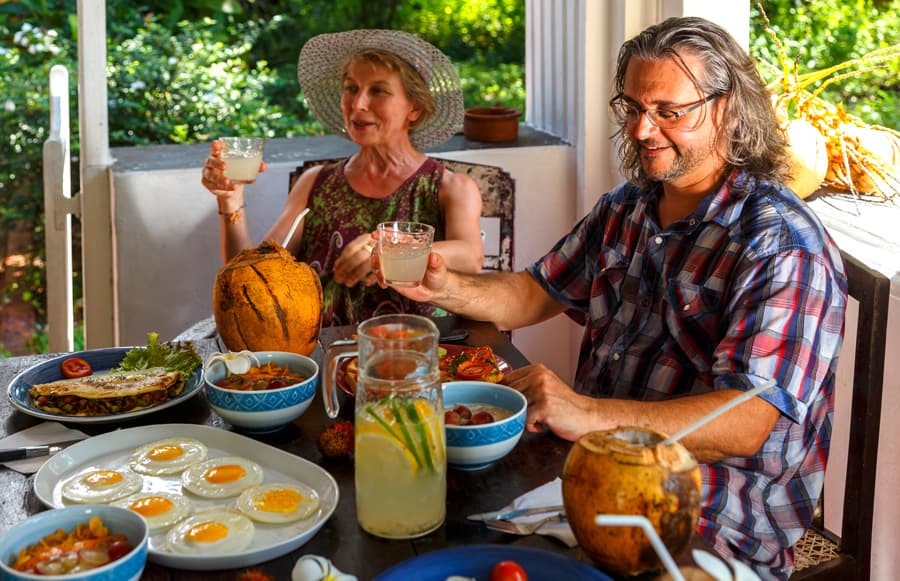
Sri Lanka enjoys a warm, tropical climate year-round, with temperatures rarely dropping below 27°C or rising above 31°C. The island lies within the Indian Ocean, making it a lush haven for sun-seekers. The northeast monsoon (Dec–Mar) brings calm seas and dry, sunny weather, while May–Sep is wetter and humid with livelier tides. October and November see monsoon rains that bring the island’s verdant hills to life.
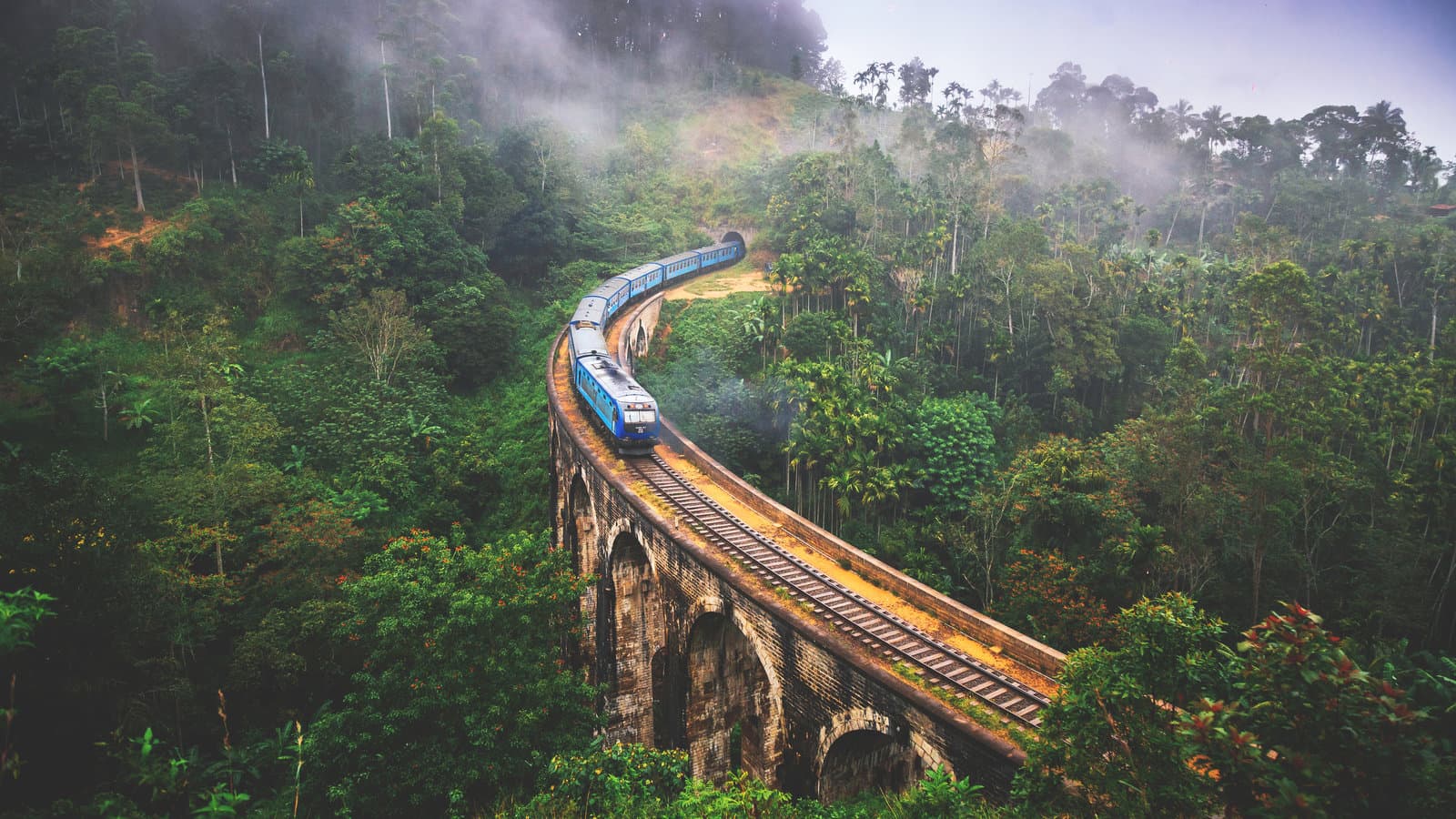
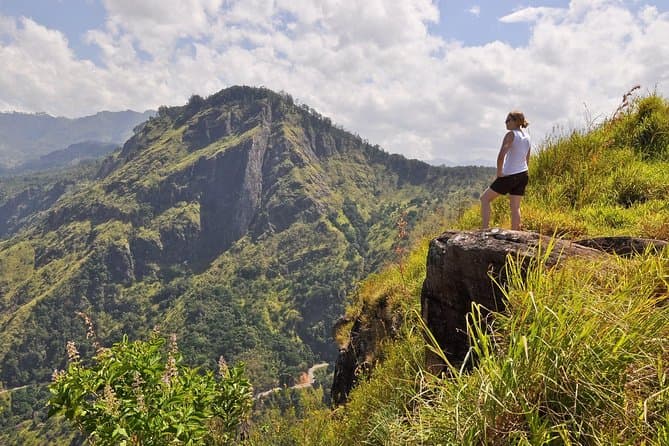
The mist-covered Hill Country, including Kandy, Nuwara Eliya, and Ella, forms the scenic and cultural heart of Sri Lanka. They are home to vast tea estates and heritage retreats, as well as ancient temples and the mountain railways. These lush highlands offer a blend of adventure, relaxation, and authentic island life.
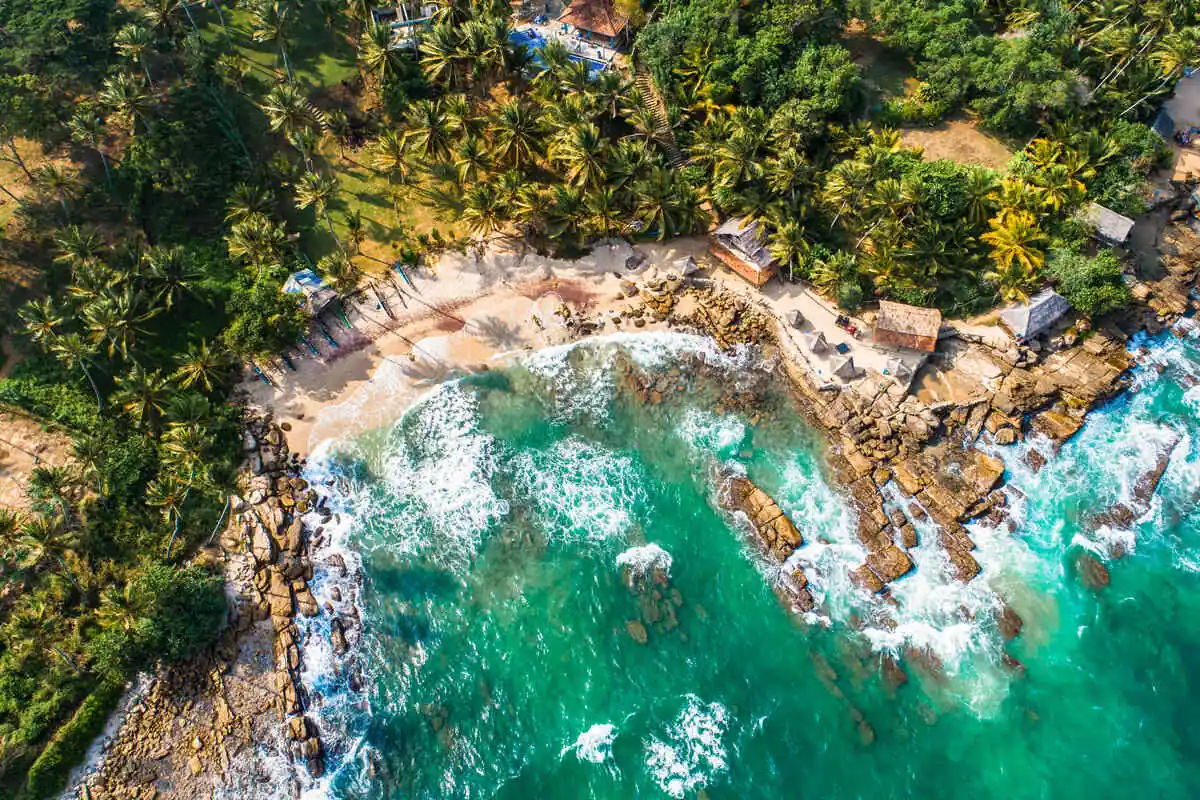
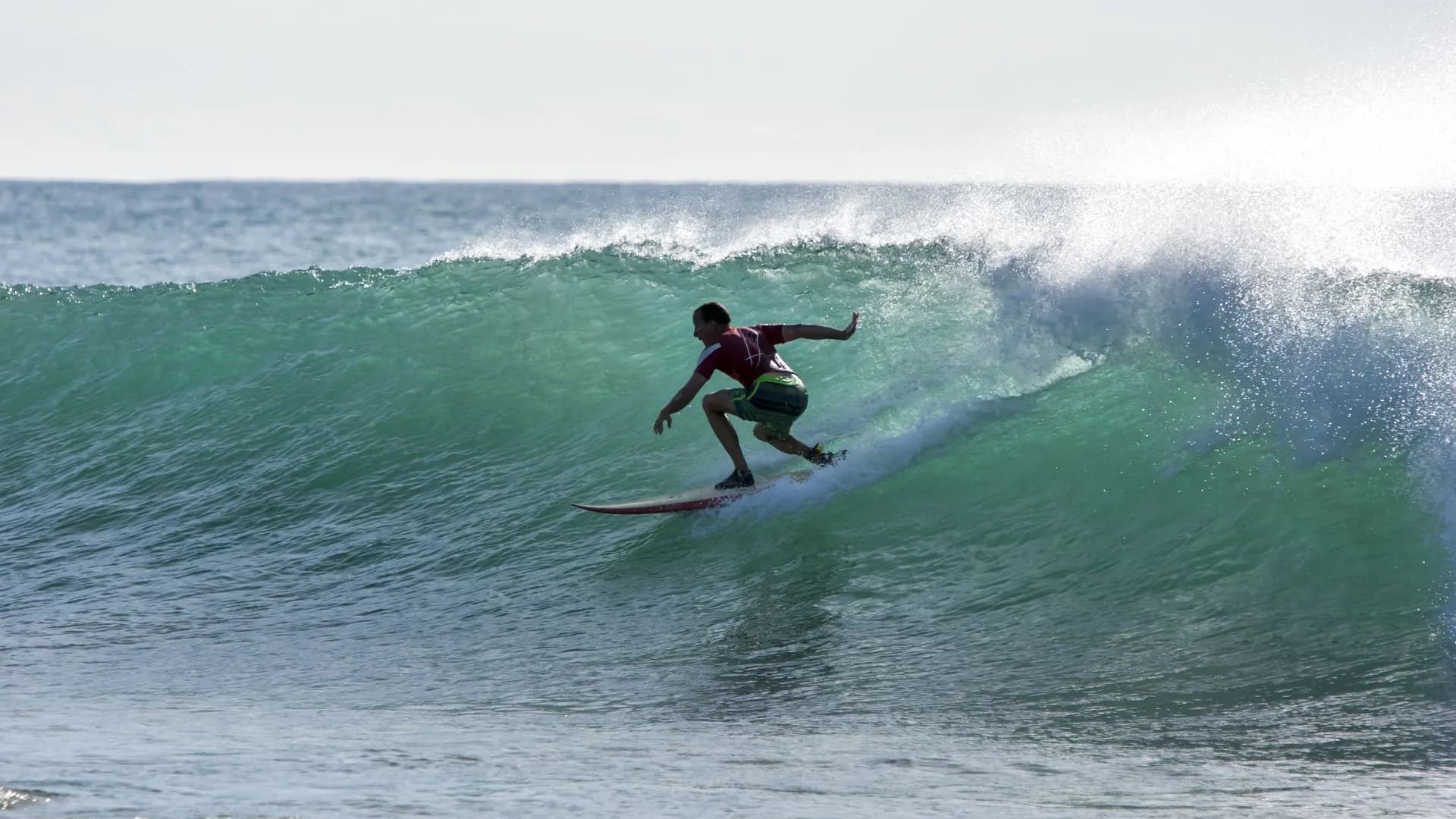
The diverse coasts are vibrant sandy shores and turquoise bays, offering pristine habitats for whales and luxury beach resorts. Both sides, like Trincomalee and Bentota, offer accommodation. These regions are perfect for surfing, diving, and those seeking coastal bliss.
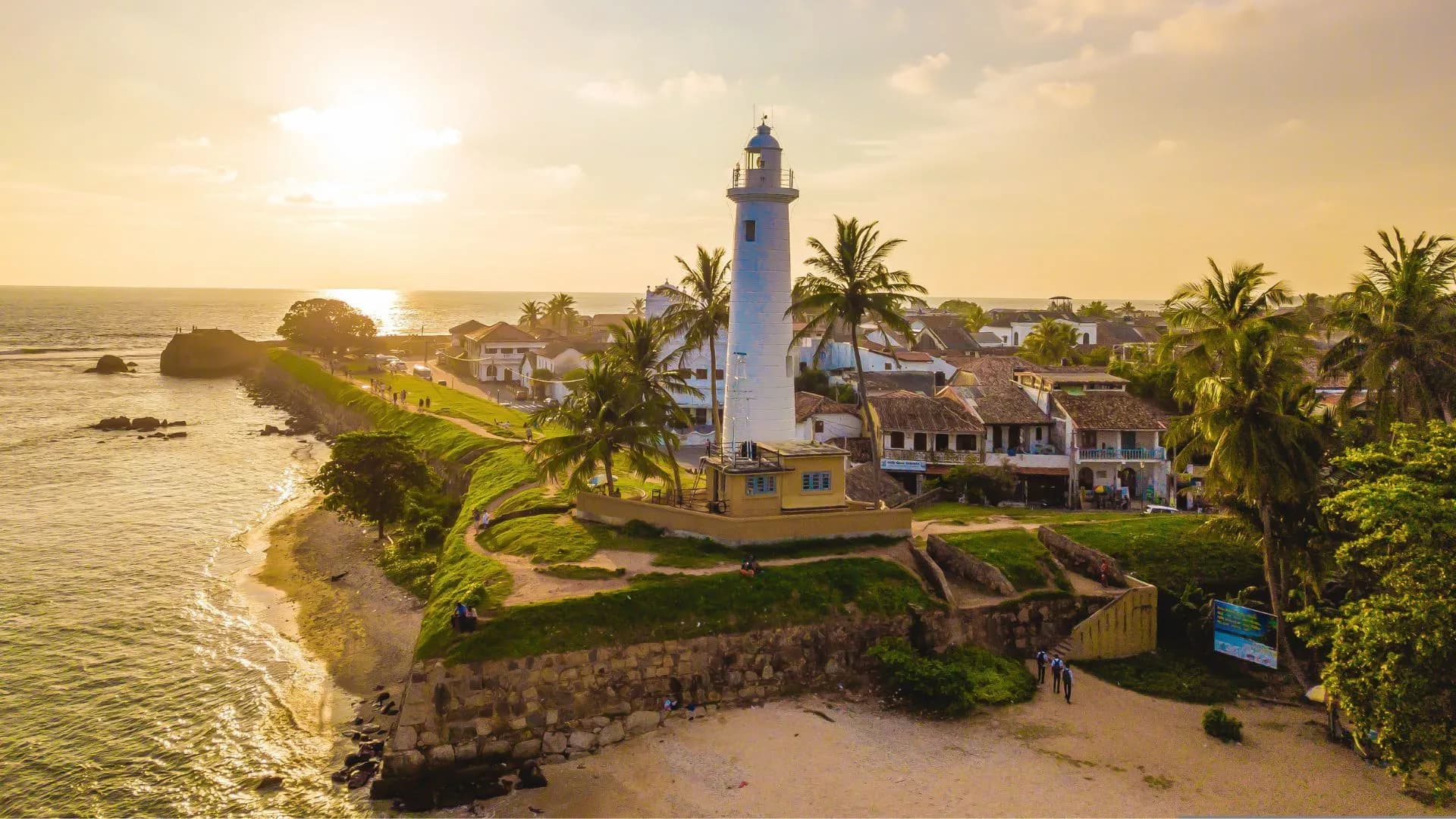
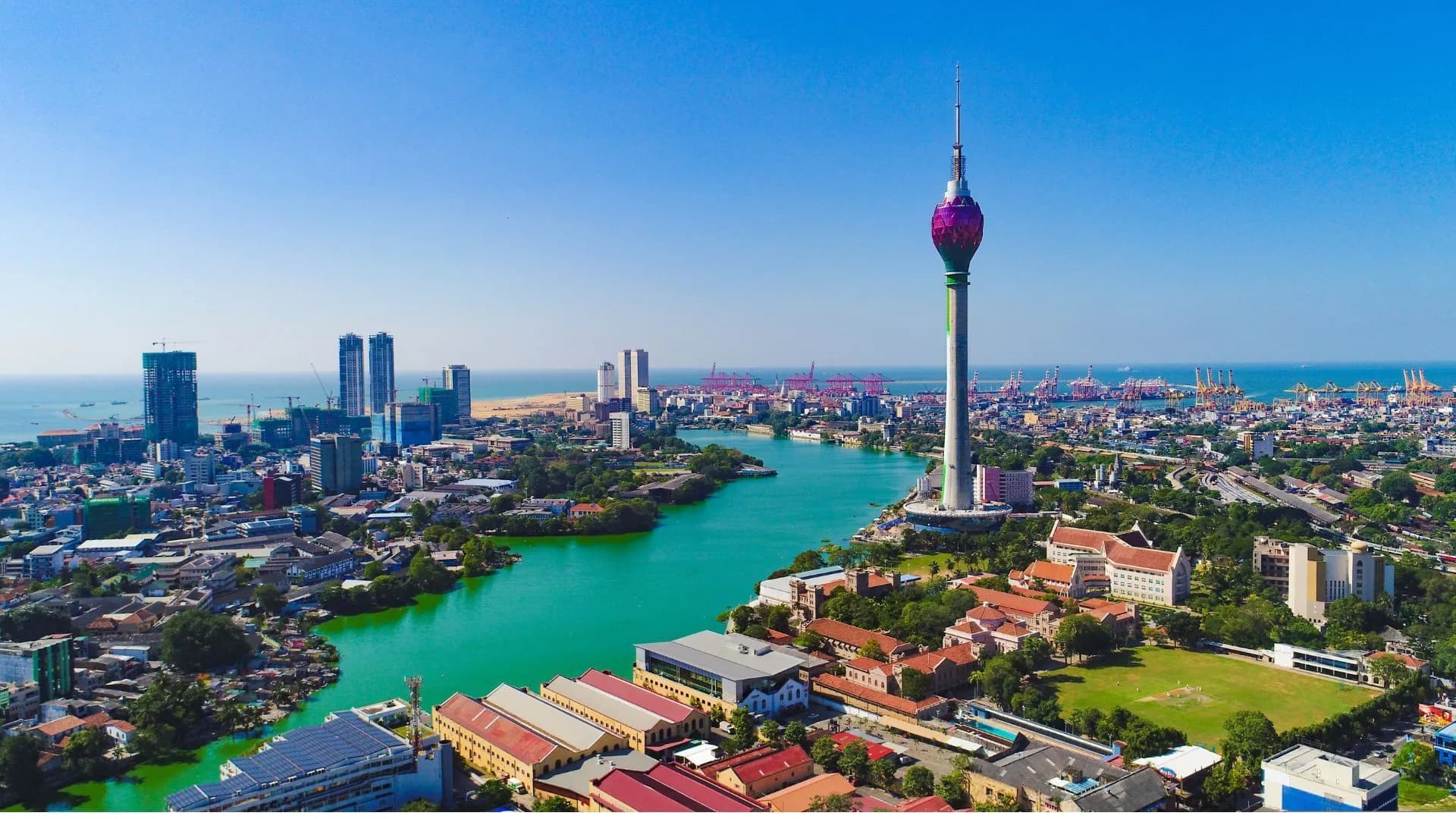
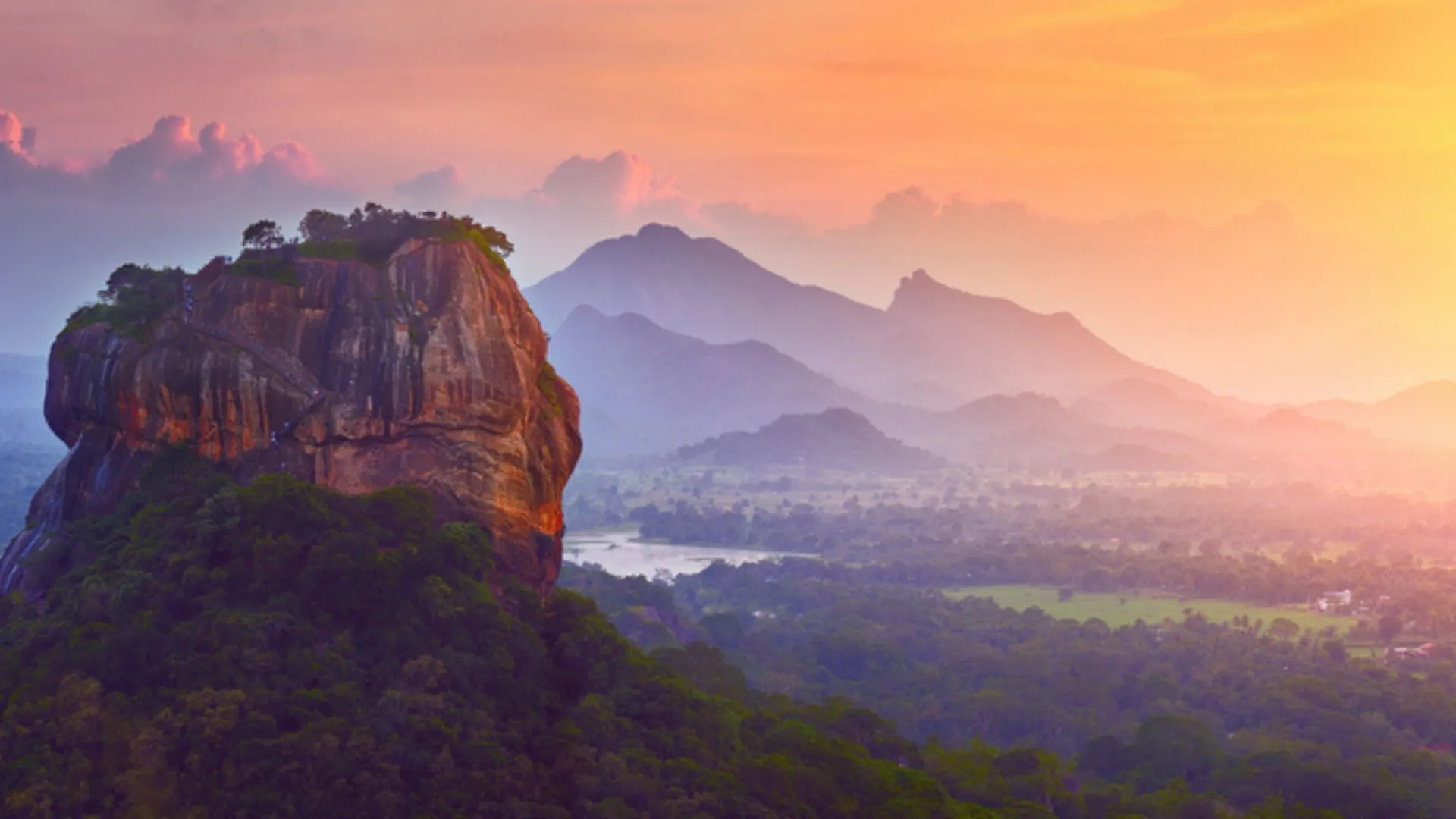
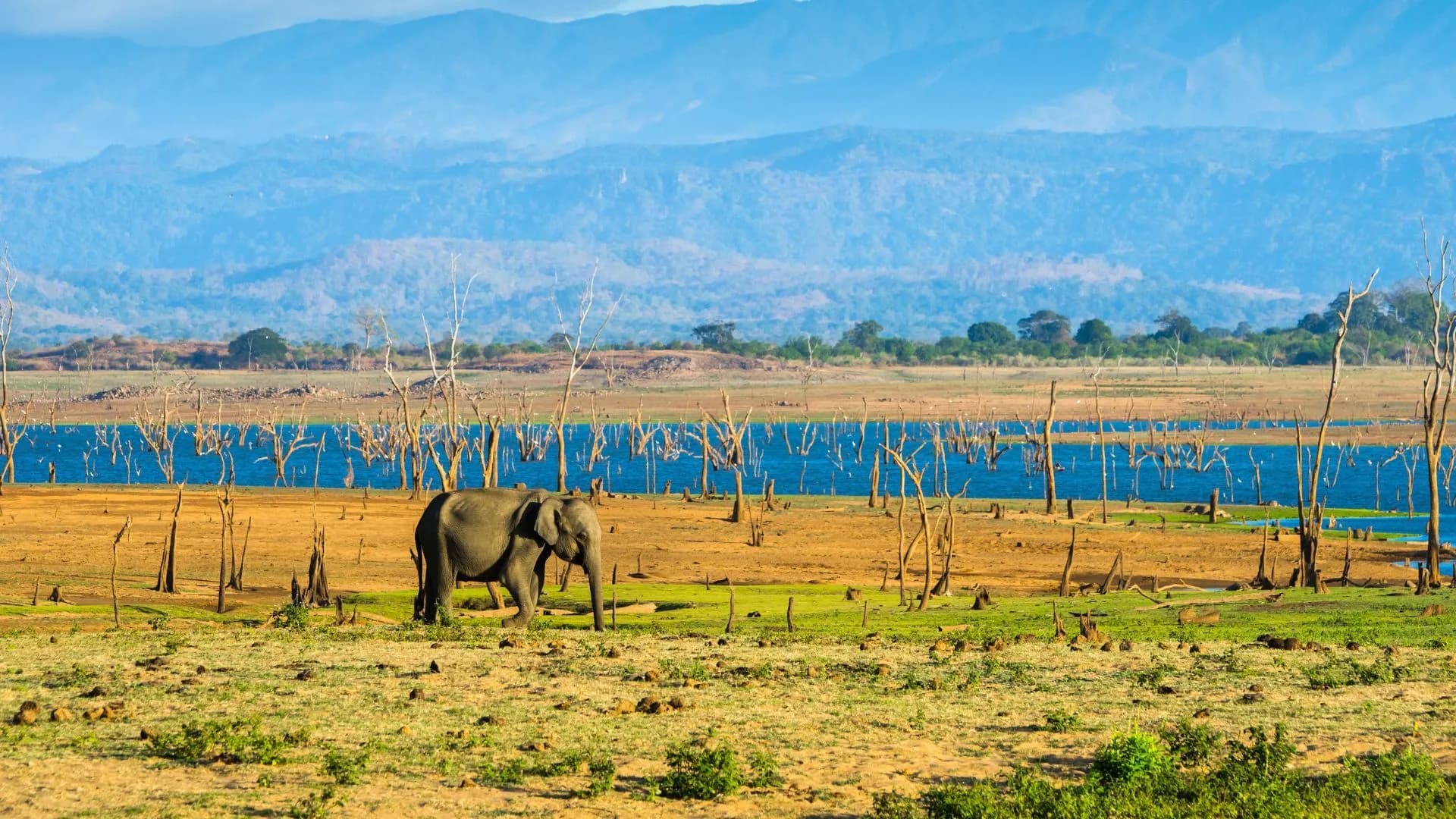
Sri Lanka was long ruled by ancient kings, later colonized by Europeans from 1505. The island has a rich royal history, with influences from India, Portugal, and Britain. Sri Lanka gained independence in 1948 and is now a republic within the Commonwealth, known for its resilience and multicultural heritage.
Sri Lanka has two official languages: Sinhala and Tamil, with English used widely. Many Sri Lankans also speak Arabic and Mandarin.
Sri Lankan one only*
ETA visa is valid for up to one month and can be extended up to six months.
There is no risk of indigenous malaria, yellow fever, or cholera. A yellow fever vaccination certificate is only required for travelers arriving from or transiting through infected areas for more than twelve hours.
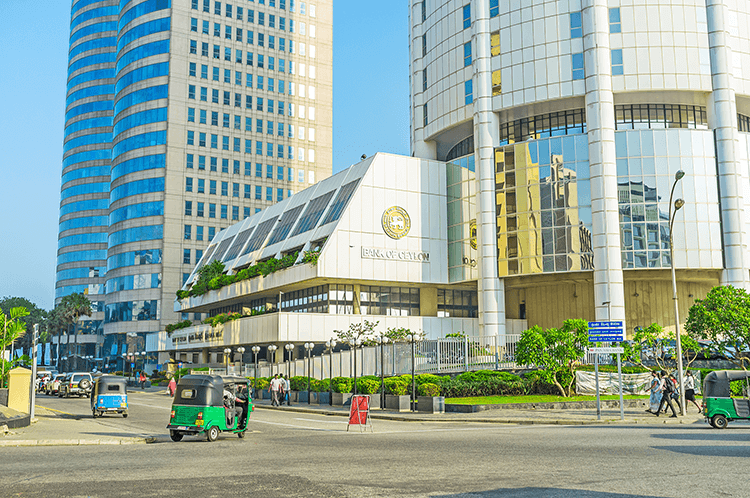
The local currency is the Sri Lankan Rupee (LKR). However, this website displays prices in USD for international customers. Major credit cards and foreign currencies are widely accepted in Sri Lanka. Banks and authorized dealers provide exchange services, and ATMs are prevalent.
Sri Lanka is generally very safe, but visitors should take routine precautions, especially in crowded areas and with valuables. Most hotels offer safes for securing your personal items during every island adventure.